Orangutan: The Bold and Unapologetic Display Font for Designers
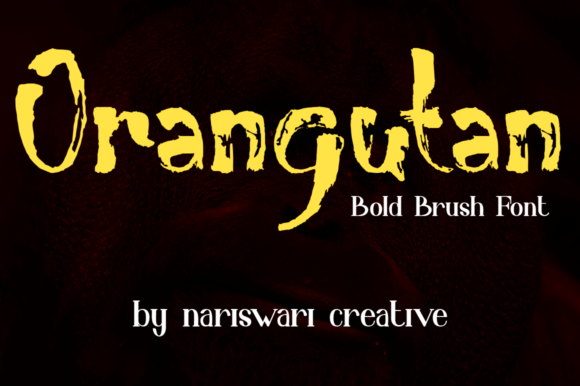
When it comes to display fonts, few can match the raw energy and visual impact of Orangutan. This bold, rough-textured font is more than just a typographic choice—it’s a statement. Designed with a unique combination of brushed strokes and angular shapes, Orangutan stands out in any design context, offering both strength and character. Whether used in branding, editorial layouts, or digital interfaces, Orangutan brings an imposing presence that commands attention.
The Unique Aesthetic of Orangutan
Orangutan is not your typical display font. Its design is rooted in texture and movement, making it ideal for projects that require visual dynamism. Each letterform is crafted with a hand-brushed feel, giving it a sense of authenticity and grit. The roughness of its edges adds a tactile quality that sets it apart from smoother, more refined typefaces.
This texture isn’t just for show—it serves a functional purpose. In environments where visual hierarchy is key, Orangutan’s distinctiveness ensures that text stands out. For instance, using Orangutan in headlines or logos can immediately draw the eye and create a memorable impression. Its boldness makes it particularly effective in print media, where the physicality of the font can be felt and seen.
Where Orangutan Shines: Use Cases and Applications
While Orangutan may not be suitable for every design scenario, it excels in specific contexts. Here are some of the most effective use cases:
- Branding and Logo Design: Orangutan’s strong, imposing presence makes it a great fit for brands that want to convey power, confidence, or rugged individualism. It works especially well in industries like outdoor gear, adventure sports, and music.
- Editorial Layouts: In magazine covers, book titles, or posters, Orangutan can elevate the visual appeal without overwhelming the surrounding content. Its texture adds depth and interest, making it ideal for high-impact visuals.
- Digital Interfaces: While Orangutan is primarily designed for print, it also performs well in digital spaces when used appropriately. On websites or apps, it can be used for call-to-action buttons, headers, or promotional banners to grab user attention.
- Artistic Projects: Artists and designers often seek fonts that can enhance the mood or theme of their work. Orangutan’s bold and textured style makes it a versatile tool for creating visually compelling art pieces, murals, or installations.
Each of these applications demonstrates how Orangutan can be adapted to suit different creative needs. However, it’s important to consider the context in which it is used. For example, while it might be perfect for a rugged outdoor brand, it could clash with a more formal or minimalist design aesthetic.
Advantages of Using Orangutan
Choosing Orangutan as your go-to display font offers several advantages:
- Strong Visual Impact: The bold, textured nature of Orangutan ensures that it commands attention, making it ideal for headlines, logos, and other high-visibility elements.
- Unique Character: With its hand-brushed look, Orangutan feels more personal and authentic compared to many other display fonts. This uniqueness can help differentiate a brand or project from the competition.
- High Readability at Larger Sizes: Despite its boldness, Orangutan remains highly readable when used at larger sizes, which is crucial for signs, posters, and other large-format designs.
- Adaptability: While it has a strong personality, Orangutan is still flexible enough to be used in a variety of design contexts, provided it is applied thoughtfully.
These advantages make Orangutan a valuable addition to any designer’s toolkit. However, like any font, it requires careful consideration to ensure it aligns with the overall design goals.
Considerations When Using Orangutan
Before incorporating Orangutan into a design project, there are several factors to keep in mind:
- Font Pairing: Because of its bold and textured nature, Orangutan should be paired carefully with complementary fonts. It works best with simpler, cleaner typefaces to balance its intensity.
- Contrast: To maintain readability, ensure that Orangutan is used against a background that provides sufficient contrast. Light backgrounds may not always be the best choice, depending on the color scheme.
- Context: Always consider the intended audience and the purpose of the design. Orangutan may not be the best choice for all situations, especially those requiring subtlety or elegance.
- Technical Limitations: While Orangutan is available in various formats, it may not render perfectly across all platforms or devices. Testing is essential to ensure consistency.
By being mindful of these considerations, designers can maximize the potential of Orangutan while avoiding common pitfalls.
Comparisons with Similar Fonts
Orangutan shares some similarities with other bold, textured display fonts, but it also has distinct characteristics that set it apart. For instance, compared to fonts like Brush Script MT or Bauhaus 93, Orangutan has a more modern and edgy appearance. While Brush Script MT is known for its classic, cursive style, Orangutan leans more toward a contemporary, industrial look.
Another comparison point is Impact, a widely used sans-serif display font. While Impact is clean and geometric, Orangutan’s texture gives it a more organic and dynamic feel. This difference in texture means that Orangutan is better suited for projects that require a more artistic or expressive tone.
In terms of weight and structure, Orangutan is similar to Agency FB in its boldness, but it lacks the sharp, angular lines of that font. Instead, Orangutan’s brush-like strokes give it a more fluid and natural appearance, which can be advantageous in certain design scenarios.
Ultimately, the choice between Orangutan and similar fonts depends on the specific needs of the project. Each font has its own strengths and weaknesses, and understanding these differences is key to making an informed decision.
Conclusion
Orangutan is more than just a display font—it’s a powerful design tool that brings boldness, texture, and character to any project. Whether you’re working on a brand identity, a poster, or an artistic piece, Orangutan can help elevate your work with its distinctive visual appeal.
However, like any font, it requires thoughtful application to ensure it enhances rather than detracts from the overall design. By understanding its characteristics, advantages, and limitations, designers can make the most of Orangutan’s unique qualities and achieve impactful results.