Kalinda: A Strategic Font for Bold Communication
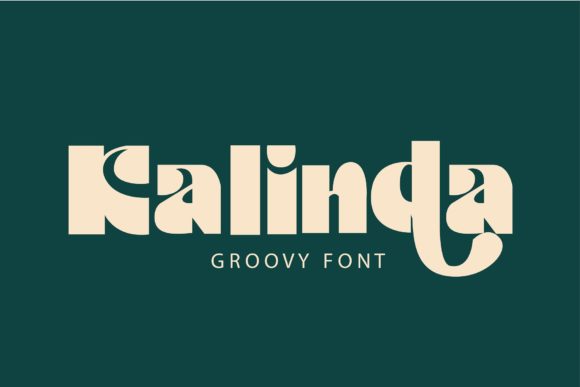
When it comes to design, the right font can make all the difference. Kalinda is a bold, thick lettered display font that stands out with its strong visual presence and clean structure. Whether you're crafting a brand identity, designing marketing materials, or building an online presence, Kalinda has the potential to elevate your work in ways that are both impactful and intentional.
The Power of a Strong Visual Identity
In today’s fast-paced digital world, first impressions matter. A well-chosen font can convey professionalism, creativity, or confidence—depending on how it's used. Kalinda, with its thick, bold strokes and commanding presence, is designed to capture attention immediately. This makes it particularly useful in scenarios where clarity and impact are equally important.
Consider a logo or website header. These are critical touchpoints that shape a user's initial perception of a brand. Using Kalinda in these areas can help establish a strong, memorable identity that resonates with your target audience. It's not just about aesthetics; it's about creating a visual language that aligns with your strategic goals.
Strategic Use Cases for Kalinda
Kalinda isn't just another font—it's a tool that can be strategically applied across various aspects of your creative and business efforts. Here are some key use cases where Kalinda can support your objectives:
- Branding: For logos, taglines, and brand assets, Kalinda can reinforce a bold, confident brand image.
- Marketing Materials: Brochures, flyers, and social media posts benefit from Kalinda's readability and visual weight.
- Website Design: As a headline or call-to-action font, Kalinda can guide users through your content with clarity and purpose.
- Presentations: In slides or reports, Kalinda can emphasize key points and enhance the overall visual hierarchy.
- Print Media: Calendars, posters, and signage can leverage Kalinda's strength to stand out in a crowded space.
Each of these use cases requires thoughtful planning and alignment with your broader communication strategy. The goal isn't just to choose a font that looks good, but one that supports your messaging and enhances the user experience.
Planning for Effective Font Integration
Before implementing Kalinda into your design workflow, consider the following planning tips to ensure it aligns with your goals:
- Define Your Purpose: What message are you trying to convey? Does Kalinda support that tone and intent?
- Assess Your Audience: Will this font resonate with your target demographic? Is it appropriate for their expectations and preferences?
- Test in Context: Preview how Kalinda performs in different environments—on screen, in print, and across various platforms.
- Balance with Other Fonts: While Kalinda is bold, it should complement rather than overwhelm other text elements in your design.
- Ensure Readability: Even though Kalinda is visually striking, it must remain legible at different sizes and resolutions.
By approaching font selection with intentionality, you avoid the risk of using Kalinda without clear direction. This ensures that every application of the font contributes meaningfully to your overall strategy.
Long-Term Value of Thoughtful Font Choices
Fonts are more than just decorative elements—they play a crucial role in shaping the user experience and reinforcing your brand's voice. When used strategically, Kalinda can support long-term outcomes such as increased engagement, stronger brand recognition, and improved communication efficiency.
For example, a small business owner launching a new product line might use Kalinda in promotional materials to create a sense of urgency and exclusivity. A blogger aiming to build a loyal readership could incorporate Kalinda into headlines to draw attention and encourage clicks. In both cases, the font serves as a strategic asset that aligns with specific objectives.
However, it's important to recognize that fonts alone cannot drive results. They must be part of a larger, cohesive strategy that includes content quality, design consistency, and audience engagement. Kalinda is a powerful tool, but its effectiveness depends on how it's integrated into your broader approach.
Practical Examples of Kalinda in Action
To illustrate the practical applications of Kalinda, let's explore a few real-world examples:
- Startup Branding: A tech startup might use Kalinda in its logo to project innovation and authority. The boldness of the font reinforces the company's mission to disrupt the market.
- Nonprofit Campaigns: A charity organization could employ Kalinda in fundraising appeals to convey strength and determination, helping to inspire donor support.
- Education Materials: Teachers and educators might use Kalinda in lesson plans or presentations to highlight key concepts, making complex ideas more accessible and engaging.
- Freelance Portfolios: Designers and writers can showcase their work with Kalinda to create a professional, polished look that reflects their expertise and style.
These examples demonstrate how Kalinda can be tailored to fit different industries and purposes. The key is to match the font's characteristics with the needs of your project and audience.
What to Consider Before Relying on Kalinda
While Kalinda offers many benefits, there are certain considerations to keep in mind before incorporating it into your designs:
- Context Matters: Kalinda is best suited for headings, titles, and short phrases. It may not be ideal for large blocks of text due to its thick strokes and limited legibility at smaller sizes.
- Cultural Sensitivity: Ensure that the font is appropriate for your target audience and cultural context. Some fonts may carry unintended connotations or associations.
- Accessibility: Always test Kalinda against accessibility standards, especially if it's being used in digital environments. Provide alternatives for users who rely on screen readers or have visual impairments.
- Consistency: Maintain a consistent visual language across all your materials. Overuse of Kalinda can dilute its impact and confuse your audience.
- Competition: Analyze competitors' branding strategies to ensure that your use of Kalinda remains unique and relevant.
By addressing these factors, you can maximize the strategic value of Kalinda while minimizing potential risks. This ensures that your design choices are both effective and responsible.
Conclusion
Kalinda is more than just a font—it's a strategic asset that can enhance your communication, branding, and overall design efforts. Its bold, thick lettering makes it ideal for creating impact and conveying confidence, but its true power lies in how it's used.
Whether you're an entrepreneur, marketer, educator, or freelancer, integrating Kalinda into your toolkit can provide tangible benefits when done thoughtfully. By aligning its use with your goals, planning for its implementation, and considering its long-term value, you can unlock its full potential and achieve better results in your creative and business endeavors.