Jepshire: A Modern Display Font for Creative Expression
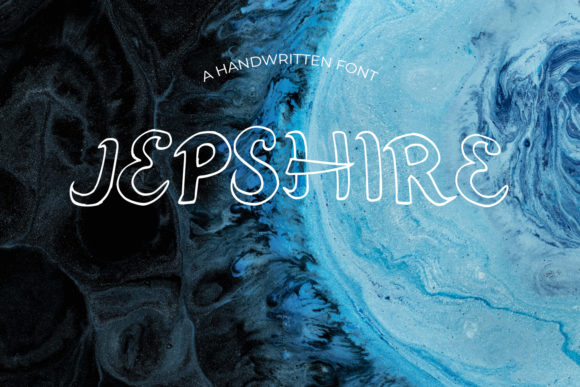
Jepshire is a modern and unique display font that stands out in the world of typography. Designed with both aesthetics and functionality in mind, it offers a fresh approach to visual communication. Whether you're working on a branding project, a website, or a print design, Jepshire has the potential to elevate your work and make it more engaging.
What Makes Jepshire Unique?
Jepshire is not just another display font; it's a carefully crafted typeface that blends elegance with modernity. Its design features clean lines, subtle curves, and a balanced structure that makes it highly readable even at smaller sizes. The font's versatility allows it to adapt to various contexts, from minimalist designs to more intricate layouts.
One of the standout characteristics of Jepshire is its ability to maintain clarity and impact without sacrificing style. Unlike some display fonts that can feel overwhelming or overly decorative, Jepshire strikes a balance between visual appeal and practicality. This makes it an excellent choice for designers looking to add a touch of sophistication to their projects.
How Does Jepshire Compare to Similar Options?
When evaluating Jepshire against other display fonts, it's important to consider its strengths and limitations. While many display fonts prioritize boldness and eye-catching design, Jepshire focuses on subtlety and versatility. This means it may not be the best fit for every situation, but it excels in scenarios where a refined and modern look is desired.
For example, if you're designing a logo for a tech startup, Jepshire could provide a contemporary and professional appearance. However, if you're creating a poster for a music festival, a more dynamic and stylized font might be more appropriate. Understanding these differences helps designers choose the right tool for the job.
- Clarity: Jepshire maintains readability across different sizes and formats.
- Adaptability: It works well in both digital and print environments.
- Visual Impact: Its design adds a modern flair without being too distracting.
Strengths and Tradeoffs
Like any font, Jepshire has its own set of advantages and considerations. One of its greatest strengths is its versatility. It can be used in a wide range of applications, from headlines and titles to body text in certain contexts. This flexibility makes it a valuable asset for designers who want to maintain consistency across multiple design elements.
However, there are situations where Jepshire may not be the ideal choice. For instance, in cases where a more traditional or serif-based font is preferred, Jepshire might not align with the overall aesthetic. Additionally, while it performs well in most digital formats, it may require careful adjustment when used in very small sizes or high-resolution print media.
Another tradeoff to consider is the font's limited character set. While this isn't a major limitation for most uses, it could be a drawback for projects requiring extensive use of special characters or languages outside the standard Latin alphabet.
Best-Fit Situations for Jepshire
Jepshire is particularly well-suited for projects that benefit from a modern and elegant look. Here are some common use cases where Jepshire shines:
- Branding: Ideal for logos, packaging, and brand identity materials.
- Digital Content: Works well for websites, social media graphics, and email newsletters.
- Print Design: Suitable for brochures, posters, and promotional materials.
- User Interfaces: Can be used in UI/UX design for headers, buttons, and navigation elements.
In each of these scenarios, Jepshire provides a clean and professional appearance that enhances the overall design without overpowering the content.
When to Consider Alternatives
While Jepshire is a strong option for many design needs, there are instances where other fonts might be more appropriate. For example:
- Highly Decorative Projects: If your design requires bold, ornate, or highly stylized typography, Jepshire may not be the best fit.
- Traditional Aesthetics: For projects that call for a classic or vintage feel, a serif-based font might be more suitable.
- Specialized Languages: If your project involves non-Latin scripts or specialized characters, Jepshire's limited character set could be a limitation.
Designers should always evaluate their specific requirements before making a final decision. Jepshire is not a one-size-fits-all solution, but it excels in the right context.
Practical Examples and Comparisons
To better understand how Jepshire fits into the broader landscape of display fonts, let's compare it to a few similar options:
Comparison with Montserrat: While Montserrat is a sans-serif font known for its geometric structure, Jepshire offers a more organic and flowing design. This makes Jepshire better suited for creative and expressive designs, whereas Montserrat is often used in more minimalistic or corporate settings.
Comparison with Playfair Display: Playfair Display is a serif font that exudes elegance and tradition. Jepshire, on the other hand, leans more towards modernity and simplicity. Depending on the desired tone, one might be preferable over the other.
Comparison with Bebas Neue: Bebas Neue is a bold, uppercase font often used for headlines and attention-grabbing text. Jepshire, while also capable of being used in such contexts, offers a more refined and versatile alternative for a wider range of applications.
Making an Informed Decision
Choosing the right font for your project is a crucial step in the design process. Jepshire is a strong contender for those seeking a modern and versatile display font. However, it's essential to weigh its strengths and limitations against your specific needs.
Consider factors such as the purpose of the design, the target audience, and the overall aesthetic you're aiming to achieve. Jepshire is an excellent choice for projects that value clarity, elegance, and a contemporary feel. But if your design requires something more dramatic, traditional, or specialized, you may need to explore other options.
Ultimately, the goal is to select a font that enhances your message and supports your design vision. Jepshire provides a solid foundation for achieving that, but it's always wise to keep an open mind and explore alternatives when necessary.