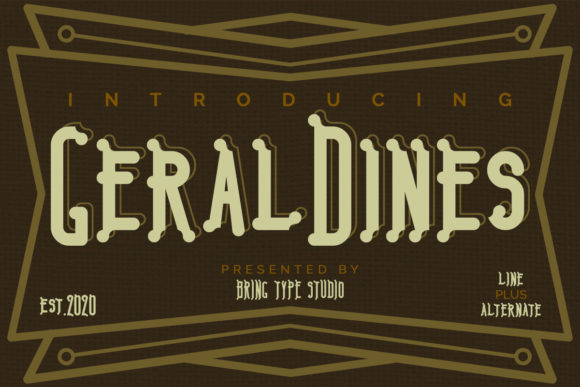
Coffee
When it comes to design, typography plays a crucial role in shaping the visual identity of any project. Among the many fonts available, Coffee stands out as a unique and expressive choice. This cute, friendly display font brings a youthful energy to any design, making it ideal for branding, social media content, and creative projects that aim to connect with a younger or more approachable audience.
The Charm of Coffee: A Font That Speaks Volumes
Coffee is more than just a font—it's an experience. Its chunky lettering and playful curves evoke a sense of warmth and approachability, making it perfect for designs that want to feel personal and engaging. Unlike traditional serif or sans-serif fonts, Coffee has a distinct personality that can elevate even the simplest message into something memorable.
One of the reasons Coffee has gained popularity is its ability to bridge the gap between professionalism and playfulness. It’s not just for children’s books or whimsical logos; it works well in modern branding strategies where brands are increasingly looking to humanize their presence. Whether used in a logo, a website header, or a social media post, Coffee adds a layer of character that can help a brand stand out in a crowded digital space.
Trends Shaping the Design Landscape
In today’s fast-paced digital world, users are constantly seeking fresh and authentic design elements. The rise of minimalism has led to a growing appreciation for fonts that are both functional and expressive. Coffee fits perfectly into this trend by offering a balance between simplicity and style.
Moreover, the increasing use of social media platforms like Instagram and TikTok has created a demand for visually striking content. Fonts like Coffee are particularly effective in this context because they add a touch of personality without overwhelming the viewer. They encourage engagement and make content feel more relatable and approachable.
Another trend influencing design choices is the shift towards more inclusive and diverse representation. Coffee’s friendly and accessible style aligns well with this movement, allowing designers to create content that feels welcoming to a wide range of audiences.
Practical Applications of Coffee in Design
While Coffee may seem like a niche font, its versatility makes it suitable for a variety of applications. Here are some practical ways to incorporate it into your design workflow:
- Branding: Use Coffee for logos, taglines, and packaging to create a cohesive and memorable brand identity.
- Social Media: Apply it to headlines, captions, and buttons to enhance visual appeal and user interaction.
- Web Design: Integrate Coffee into headers, call-to-action buttons, and hero sections to draw attention and guide user behavior.
- Print Materials: Use it for posters, flyers, and brochures to add a youthful and energetic vibe.
- Marketing Campaigns: Incorporate Coffee into email newsletters, banners, and advertisements to create a consistent and engaging visual language.
By using Coffee strategically, designers can create content that resonates with their target audience while maintaining a professional and polished look.
Why Coffee Matters in Modern Design
The evolution of design trends shows that users are no longer satisfied with generic aesthetics. They seek authenticity, creativity, and emotional connection in the content they consume. Coffee meets these expectations by offering a unique visual voice that can help brands and creators differentiate themselves in a competitive market.
Additionally, the growing emphasis on user experience (UX) has made typography a key component of successful design. Fonts like Coffee contribute to a better UX by improving readability, enhancing visual hierarchy, and creating a more engaging browsing experience.
As businesses continue to invest in digital transformation, the importance of typography in branding and marketing cannot be overstated. Coffee provides a valuable tool for designers looking to create content that is both visually appealing and emotionally resonant.
Getting Started with Coffee
If you're new to using Coffee, here are a few tips to help you get started:
- Experiment with Pairings: Try combining Coffee with other fonts to create contrast and balance. For example, pair it with a clean sans-serif font for headings and a legible body text.
- Use It Sparingly: While Coffee is eye-catching, it’s best used in moderation. Overuse can lead to visual clutter and reduce the effectiveness of your message.
- Consider the Context: Always think about where and how you’ll use Coffee. It works best in contexts where a friendly and approachable tone is desired.
- Test Across Devices: Ensure that Coffee looks great on all screen sizes and devices. Test it on mobile, desktop, and tablet to maintain consistency.
- Explore Different Styles: Coffee offers various weights and styles, so don’t be afraid to experiment with different variations to find what works best for your project.
By following these guidelines, you can effectively integrate Coffee into your design projects and create content that stands out in a crowded digital landscape.
Conclusion
In a world where first impressions matter, the right font can make all the difference. Coffee offers a unique blend of charm, functionality, and versatility that makes it an excellent choice for designers looking to add personality and warmth to their work. Whether you're building a brand, creating content, or designing for a specific audience, Coffee can help you connect with your audience in a meaningful way.